Autism Doesn't Come with a Manual: Design Review
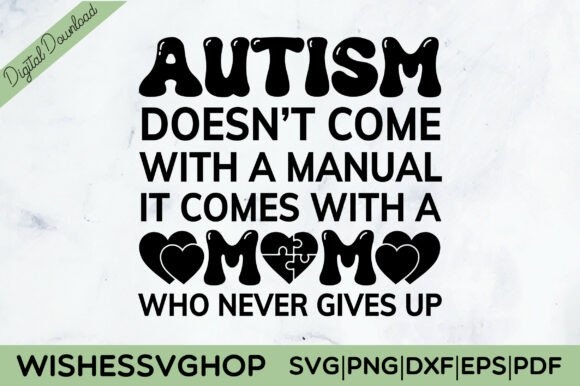
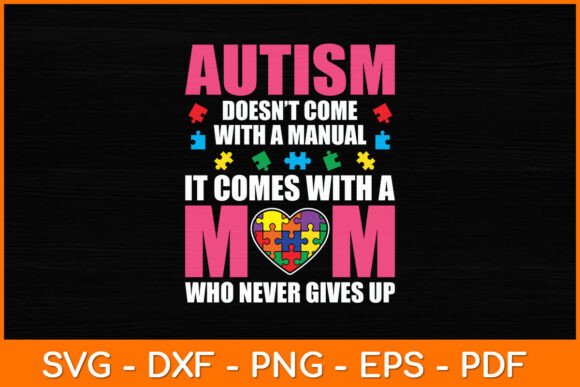
As an experienced embroidery digitizer and product reviewer, I approach every new graphic with a specific question: will this translate beautifully from screen to stitch? When evaluating Autism Doesn t Come with a Manual It Comes With A Mom Svg Design, my first impression is one of emotional resonance and typographic balance. This design carries a heavy, heartfelt message that resonates deeply within the neurodivergent community and among special needs parents. Visually, it feels grounded and sincere rather than overly decorative or whimsical. The layout suggests a stacked typographic arrangement that naturally lends itself to center-chest placement on apparel or a prominent position on a tote bag. However, because this is marketed primarily as a print cut file for Cricut and Silhouette users, we must apply a critical lens before converting it into a machine embroidery design.
Translating SVG Graphics to Stitch Reality
The transition from a vector graphic intended for vinyl cutting to an embroidery file requires careful consideration of stitch physics. Vinyl has no thickness; thread does. When I look at Autism Doesn t Come with a Manual It, I am immediately assessing the lettering style. If the original SVG features thin, delicate lines meant for pen plotting or fine vinyl cuts, they will not survive as running stitches without modification. For embroidery, text elements need sufficient column width to accommodate satin stitches or dense fill stitches. A professional digitizer would likely need to thicken the font slightly to prevent needle breaks and ensure the text remains legible after washing.
In a real-world scenario, imagine preparing a custom embroidered sweatshirt for an autism awareness fundraiser or a personalized gift for a new mother navigating a diagnosis. The mood of this project demands clarity and comfort. You cannot have scratchy, dense stitching against skin, nor can you have gaps where the fabric shows through. Because this design relies heavily on text, the stitch density becomes paramount. Too dense, and the sweatshirt fabric puckers; too sparse, and the letters look unfinished. I would recommend testing a digitized version of this design on scrap fleece or French terry fabric first to dial in the perfect balance between coverage and drape.
Best Applications for Apparel and Accessories
This design shines brightest when used as a statement piece. Its strength lies in its relatability, making it ideal for custom apparel and advocacy wear. Here is how I envision Autism Doesn t Come with a Manual It performing across different handmade products:
- Sweatshirt Embroidery: This is arguably the best canvas. The casual, comforting nature of a crewneck sweatshirt matches the sentiment perfectly. Center-chest placement allows for a larger hoop size, ensuring the text is readable from a distance.
- Tote Bag Design: For craft fairs or Etsy sellers, this design works exceptionally well on canvas totes. Canvas provides a stable foundation that minimizes distortion, which is crucial for maintaining the integrity of straight text lines.
- Baby Embroidery: While the message targets moms, applying a smaller, simplified version to a baby blanket or bib creates a matching set. However, extreme caution is needed here to reduce stitch count and avoid dense backing that could irritate sensitive skin.
- Embroidered Patch: Creating patches for sale or distribution at support group meetings is a fantastic commercial embroidery application. Patches allow you to use twill and heavy stabilizer, resulting in crisp, professional edges that define the typography clearly.
Navigating Fabric Limitations and Hoop Constraints
Not every surface is friendly to detailed text designs. As a reviewer, I must highlight where Autism Doesn t Come with a Manual It requires extra care. Text-heavy graphics are unforgiving on textured fabrics like terry cloth or ribbed knits. The valleys in the fabric texture can swallow running stitches, making words disappear. If you must embroider this on a kitchen towel or textured apron, consider using an applique design technique or placing a water-soluble topping to create a smooth surface for the stitches to rest upon.
Stretchy fabrics present another challenge. Knit t-shirts require cut-away stabilizer to prevent the design from distorting during wear and washing. I have seen too many well-intentioned projects fail because the crafter used tear-away stabilizer on a stretchy garment, resulting in wavy, unreadable text after the first laundry cycle. Additionally, be wary of small hoop sizes. Trying to cram this multi-line phrase into a 4x4 hoop may force the text to become illegibly small. Always confirm your hoop size capabilities before purchasing or digitizing this asset for commercial embroidery projects.
Evaluating Commercial Viability for Makers
For Etsy sellers and small shop owners, product value hinges on execution quality. Customers buying items related to autism awareness expect high standards; sloppy stitching on such a meaningful phrase can damage brand trust instantly. When listing finished products featuring Autism Doesn t Come with a Manual It, your printable mockup should accurately represent the stitch texture, not just the flat vector image. Buyers need to see that you understand the difference between a digital graphic and a tactile handmade product.
Furthermore, verify the licensing terms explicitly. Just because a file is compatible with Cricut and Silhouette does not automatically grant commercial embroidery rights. Before adding this to your boutique branding or selling it as part of a digital embroidery file bundle, confirm that the original designer permits derivative works for commercial sale. Ethical business practices protect both the creator and the maker.
Practical Designer Notes for Success
To ensure your final product honors the sentiment of this design, follow these technical checkpoints:
- Test Thread Colors: High contrast is non-negotiable for text. White thread on heather grey is classic, but test black on navy or pastel on cream to ensure readability. Avoid tone-on-tone schemes unless the stitch density is very high.
- Check Licensing: Reiterate permissions for both physical goods and digital assets before listing.
- Stabilizer Selection: Match your stabilizer to the fabric weight. Use fusible mesh for lightweight knits and medium-weight cut-away for sweatshirts.
- Mockup Accuracy: Create realistic previews that show stitch direction and texture to manage customer expectations.
- Detail Inspection: Zoom in on your digitized file to check for overlapping stitches or jump stitch paths that could cause production issues.
Ultimately, Autism Doesn t Come with a Manual It is more than just a graphic; it is a conversation starter and a source of comfort. Whether you are creating a holiday gift for a friend or stocking your shop with advocacy gear, treating this design with technical respect ensures the emotional message lands exactly as intended. By bridging the gap between digital artistry and textile reality, we create products that are not only visually appealing but also durable, professional, and deeply meaningful to the families who cherish them.