Home Plate SVG File Review for Embroidery Projects
As a designer who spends more time behind an embroidery machine than a computer screen, I approach every new digital asset with a healthy dose of skepticism. When evaluating the Home Plate Svg File , Baseball Svg bundle, my primary concern isn't just how the graphic looks on a monitor, but how it translates into thread on fabric. In the world of Crafts and Graphics, there is often a disconnect between a clean vector image and a functional machine embroidery design. After reviewing this specific collection, which includes variations like Cross Bats, Softball, and Baseball Mom designs, I see significant potential for small business owners and hobbyists, provided you understand how to leverage these shapes for real-world production.
First Impressions: Shape, Mood, and Stitch Potential
The immediate strength of this Home Plate Svg File , Baseball Svg lies in its geometric clarity. The home plate shape is inherently bold and recognizable, offering a natural frame that works exceptionally well for applique design work. Unlike intricate illustrations that can get lost in translation, this silhouette maintains its integrity whether scaled down for a baby bib or enlarged for a tote bag. The mood is nostalgic yet active, striking a balance that appeals to both youth sports parents and vintage aesthetic enthusiasts.
From a digitizing perspective, the clean lines suggest that this embroidery file will likely feature manageable stitch paths. However, because SVGs are vector graphics and not pre-digitized stitch files, you must assess the line weight carefully. If you are using this as a guide for digitizing your own satin stitch borders or fill stitch interiors, ensure the curves of the home plate are smooth enough to prevent jagged edges during stitching. The included "Baseball Mom" typography elements add necessary context, but remember that script fonts require different tension and stabilizer strategies than the blocky home plate shape.
Real-World Application: The Custom Sweatshirt Test
To truly evaluate this design asset, I mentally placed it in a current client scenario: creating custom warm-up sweatshirts for a local travel softball team. This is a classic use case where the Home Plate Svg File , Baseball Svg needs to perform under pressure. For this project, I would utilize the home plate as a central chest placement, using a felt appliqué technique to reduce overall stitch density while adding texture and visual depth.
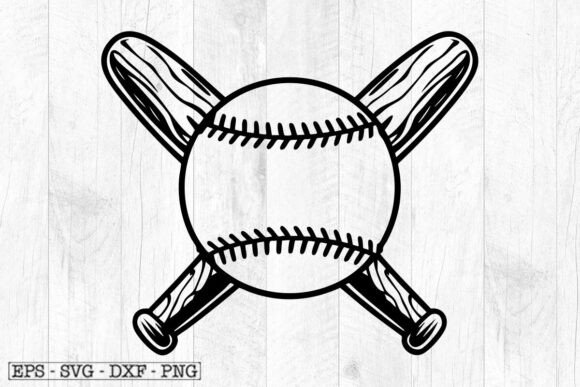
In this application, the design serves as an anchor. The cross bats variation from the bundle could be positioned smaller on the sleeve or back neck area to create brand consistency across the garment. As an Etsy seller or shop owner, offering this coordinated look increases the perceived value of the finished product. Customers aren't just buying a logo; they are buying a cohesive team identity. The versatility of having separate files for single designs and a bundled zip allows you to mix and match without purchasing redundant assets, which is crucial for maintaining margins in a craft business.
Navigating Fabric Challenges and Hoop Limitations
While the design is versatile, practical experience dictates caution in specific scenarios. If you plan to use this digital embroidery file on performance wear or stretchy athletic mesh, the rigid geometry of a home plate can cause puckering if the stabilizer choice is incorrect. I recommend testing on scrap fabric first, specifically using a cut-away stabilizer for stretch materials to maintain the shape's integrity after washing.
You must also be mindful of hoop size constraints. The home plate shape is wider than it is tall, which can sometimes limit placement options in standard 4x4 hoops. Before committing to a large run of custom apparel, verify that your intended scale fits comfortably within your hoop’s safe stitch area. Additionally, if you are adapting this for caps, the flat bottom of the home plate may need slight distortion to accommodate the curved surface of a hat frame. Never assume a flat graphic will stitch perfectly on a curved substrate without adjustment.
For items requiring frequent washing, such as baby embroidery projects or kitchen towels, inspect the corners of the design. Sharp points in satin stitches are prone to fraying over time. Consider rounding the inner corners slightly during the digitizing phase or using a running stitch outline to lock down the edges securely. This attention to detail separates professional commercial embroidery from amateur attempts and builds long-term customer trust.
Visual Appeal and Commercial Viability
The commercial success of any handmade product hinges on visual clarity. The Home Plate Svg File , Baseball Svg excels here because of its high contrast potential. When selecting thread colors, prioritize readability over exact color matching. A white home plate on a navy sweatshirt reads instantly from a distance, whereas a grey plate on a black shirt might disappear. Always test your color combinations in black and white mockups before stitching; if the design lacks definition in grayscale, it will lack impact in thread.
For sellers focusing on personalized gift markets, this design offers excellent customization opportunities. The negative space inside the home plate is perfect for adding names, years, or jersey numbers. This transforms a generic sports graphic into a meaningful keepsake. Whether you are creating a tote bag design for a team mom or a nursery pillow for a future slugger, the ability to personalize the center of the plate adds significant emotional value and justifies a higher price point.
Designer Notes for Professional Results
Before you load this embroidery project into your machine, adhere to these professional best practices to ensure quality and compliance:
- Verify Licensing: The product description mentions separate files and bundles, but always confirm the specific license terms regarding commercial use of finished items versus reselling the digital file itself.
- Check File Compatibility: Ensure the ZIP or RAR packet contains formats compatible with your specific software or machine. Do not assume universal compatibility.
- Test Stitch Density: If digitizing from scratch based on this SVG, aim for balanced density. Too dense, and the fabric becomes bulletproof; too sparse, and the fabric shows through.
- Mockup Realistically: Use printable mockups that show fabric texture rather than flat vectors to give clients accurate expectations of the final embroidered look.
- Stabilizer Selection: Match your backing to the fabric weight. Tear-away is fine for stable cotton towels, but knit fabrics demand cut-away support to prevent distortion of the home plate shape.
- Detail Inspection: Zoom in on the smallest elements of the Cross Bats or text variations. If details are thinner than 1mm, they may need to be converted to running stitches or removed entirely to prevent needle breaks.
Ultimately, the Home Plate Svg File , Baseball Svg is a robust foundation for sports-themed embroidery. It bridges the gap between simple clipart and professional design assets. By treating it as a starting point for thoughtful digitizing and material selection rather than a magic button, you can create small shop products that stand out for their quality and craftsmanship. Remember, the file provides the map, but your expertise as a maker determines the destination. Take the time to test, adjust, and refine, and this design will serve as a reliable staple in your creative inventory for seasons to come.