Mama Leopard Love SVG: An Embroidery Review
As a professional embroidery digitizer and product reviewer, I approach every new graphic with a specific question: will this translate beautifully from screen to stitch? When evaluating the Mama Leopard Love SVG for real-world application, my focus shifts immediately from digital aesthetics to mechanical feasibility. This design carries a distinct mood that blends modern trendiness with maternal warmth, but its success in a craft business or personal project depends entirely on how well the vector lines convert into needle penetrations. The leopard print motif combined with script typography suggests a bold visual personality, yet it demands careful consideration regarding stitch density and fabric compatibility before it ever touches a hoop.
Translating Vector Curves to Stitch Reality
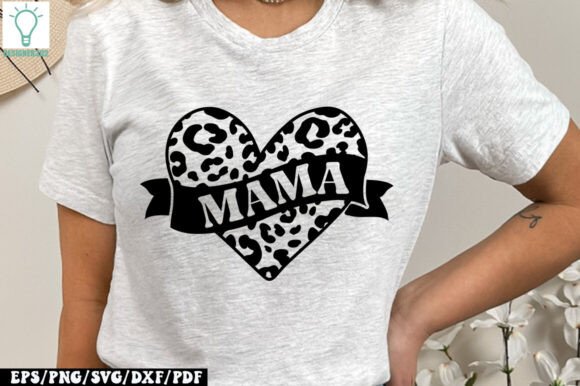
The first impression of Mama Leopard Love SVG is one of playful sophistication. The organic shapes of the leopard spots and the likely fluid nature of the "Mama" lettering create a dynamic composition. However, as an embroidery file, these curves present both opportunities and challenges. In my experience reviewing similar graphics, the transition from a clean SVG line to a satin stitch column is where many designs fail. If the original vector points are too jagged or the curves lack smooth bezier handles, the resulting embroidery can look choppy rather than lush.
For this specific design, I assess whether the leopard spots are intended as applique design elements or dense fill areas. If they are meant to be filled stitches, the stitch density must be balanced to prevent fabric puckering, especially on lighter materials. If the design relies on intricate internal details within the spots, those may need to be simplified for embroidery. A machine embroidery design derived from this SVG should maintain the whimsical character of the original art while ensuring that no single area becomes so dense that it creates a bulletproof patch on a soft garment. The visual appeal of the finished product hinges on this balance between artistic intent and structural integrity.
Real-World Application: The Custom Sweatshirt Test
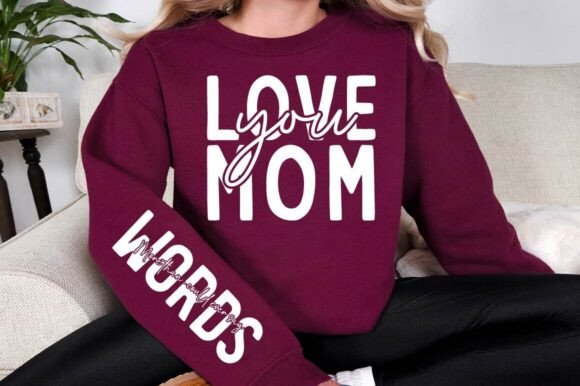
To truly judge the viability of Mama Leopard Love SVG, I envision a specific scenario: creating a custom crewneck sweatshirt for an Etsy listing targeting new mothers. This is a high-stakes embroidery project because fleece and French terry fabrics are unforgiving. They have texture and stretch that can swallow fine details or distort alignment.
In this context, the Mama Leopard Love SVG needs to hold its own against the fabric's pile. I would evaluate the design’s negative space. If the lettering is too thin or the leopard spots are too small, they will disappear into the sweatshirt texture after washing. For a sweatshirt embroidery application, I often recommend scaling up the design slightly or increasing the width of satin columns during the digitizing process. This ensures the personalized gift remains legible and vibrant. Furthermore, considering the commercial aspect, this design serves as excellent merchandise for boutiques or small shop product lines. Its trendy aesthetic aligns perfectly with current market demands, but only if the execution is crisp. A sloppy stitch-out on a premium blank destroys customer trust instantly, whereas a clean, professional rendition justifies a higher price point and encourages repeat business.
Navigating Fabric Limitations and Hoop Constraints
While Mama Leopard Love SVG has strong potential for custom apparel, there are environments where caution is necessary. I advise extreme care when applying this design to stretchy knits without proper stabilization. The combination of fill stitches for the leopard pattern and potential satin borders creates significant pull. Without adequate cut-away stabilizer, the design can tunnel or warp the garment. This is particularly relevant for baby embroidery projects like onesies, where the fabric is thin and elastic. In such cases, testing the digital embroidery file on a scrap piece of identical fabric is non-negotiable.
Additionally, consider the hoop size limitations. If you are working with a standard 4x4 hoop, the Mama Leopard Love SVG might require resizing that compromises detail. Tiny lettering or minute leopard spots may not stitch out clearly at reduced scales. Conversely, if using a larger hoop for a tote bag design or pillow cover, ensure the design doesn't become sparse or unbalanced when scaled up. Textured fabrics like linen or canvas generally handle this design better than slippery satins or sheer organza. For dark fabrics, verify that the thread colors chosen provide sufficient contrast; a black leopard spot on navy fabric will lack definition unless outlined or highlighted. Always inspect the design on both light and dark backgrounds in your software before committing to a stitch-out.
Professional Standards for Commercial and Gift Use
For Etsy sellers and creative entrepreneurs, Mama Leopard Love SVG represents more than just a pretty picture; it is a business asset. However, professionalism extends beyond the stitch-out to licensing and presentation. Before listing any handmade product featuring this design, confirm the license terms included in the zipped folder. Ensure you have the right to sell physical items or if the license restricts use to personal projects only. This due diligence protects your shop from intellectual property disputes.
Presentation matters equally. When creating a printable mockup or digital preview for your listings, use high-quality images that accurately represent how the embroidery looks. Do not rely solely on digital renderings if possible; customers value seeing actual thread texture. If you must use digital assets, ensure they reflect realistic lighting and dimension. This honesty builds buyer engagement and reduces return rates. Whether you are making a holiday embroidery gift, a Mother’s Day special, or year-round boutique inventory, the perceived value of your work correlates directly to the technical quality of the design implementation. A well-executed Mama Leopard Love SVG signals to the buyer that you understand your craft.
Essential Designer Notes for Success
Before loading Mama Leopard Love SVG into your machine, run through this practical checklist to ensure optimal results:
- Test Stitch First: Never skip the test run on scrap fabric that matches your final project’s weight and weave. Check for registration issues between the leopard spots and text.
- Verify File Compatibility: While the bundle includes SVG, DXF, PNG, EPS, and PDF formats, remember that embroidery machines require specific stitch files (like PES, DST, or JEF). You will likely need to digitize or convert the SVG using embroidery software unless pre-digitized files are explicitly included.
- Check Thread Contrast: Evaluate your color palette against the fabric. Leopard prints often require multiple thread changes to achieve depth; plan your sequence to minimize jumps and trims.
- Assess Stabilizer Needs: Match stabilizer type to fabric stability. Use cut-away for knits and tear-away for stable wovens. Consider topping for textured fabrics to keep stitches visible.
- Review Small Details: Inspect the smallest elements of the design. If text is under 6mm or spots are tiny, they may need modification to prevent thread breaks or bird nesting.
- Confirm Licensing: Re-read the included documentation regarding commercial use, especially if selling finished goods or incorporating the design into other digital products.
- Mockup Realistically: Create previews that show scale and placement accurately. Avoid misleading representations that could disappoint customers receiving the physical item.
Ultimately, Mama Leopard Love SVG offers a versatile foundation for makers across various niches. Its success lies not in the download itself, but in the thoughtful translation from vector graphic to tangible textile art. By respecting the mechanics of embroidery and understanding the nuances of your target medium, you can transform this digital asset into a beloved embroidered patch, cherished garment, or best-selling shop item. Approach each project with technical curiosity and creative confidence, and let the quality of your craftsmanship speak as loudly as the design itself.