Messy Bun Queen Mom SVG: An Embroidery Review
As a professional embroidery designer and product reviewer, I approach every new graphic with a specific question: will this translate beautifully from screen to stitch? When evaluating the Messy Bun Queen Mom SVG, my focus shifts immediately from its origins as a digital cutting file for Cricut or Silhouette machines to its potential as a foundation for textile art. While this listing is explicitly marketed as a vector graphic for vinyl and paper crafts, experienced makers know that clean, bold vectors are often the best starting points for digitizing custom embroidery. In this review, I am assessing this design not just as a graphic, but as a candidate for real-world needlework projects, analyzing how its lines, shapes, and aesthetic will perform when converted into a machine embroidery design for commercial and personal use.
First Impressions: Visual Personality and Stitch Potential
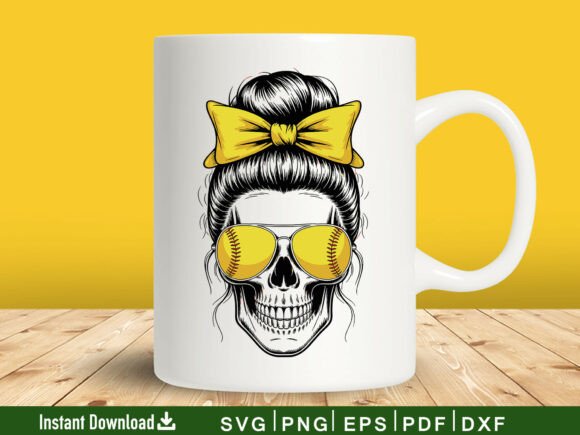
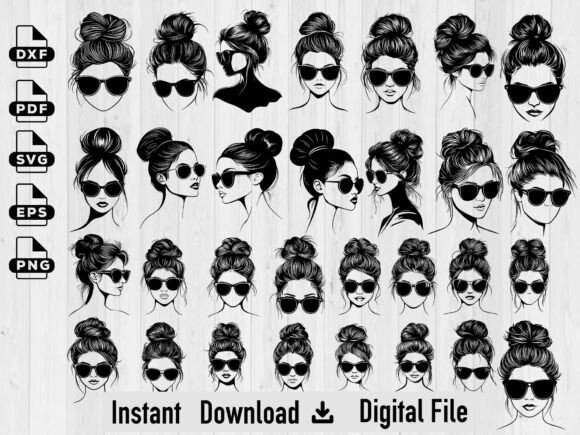
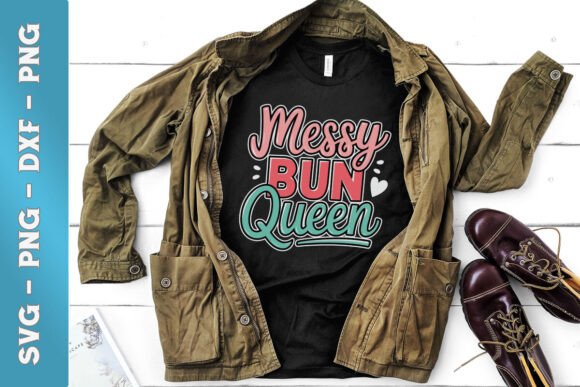
The immediate mood of the Messy Bun Queen Mom SVG is relatable, modern, and unapologetically casual. It captures a specific cultural moment in motherhood that resonates deeply with buyers looking for personalized gifts or boutique apparel. From a design perspective, the silhouette is distinct. The "messy bun" shape offers excellent opportunities for texture, while the typography typically associated with this theme provides clear boundaries for lettering. As a graphic, it is clean, which is a massive advantage. When we transition from vector to stitch, simplicity is our friend. Complex gradients or distressed textures in a standard SVG can become nightmares in an embroidery file, requiring excessive density and causing fabric puckering. This design’s solid shapes suggest it could be adapted beautifully into an applique design or a combination of satin stitch outlines and fill stitch interiors.
However, because this is sold as a cutting file, you must verify the line weight before digitizing. Vectors intended for vinyl cutters sometimes have hairline strokes that disappear under thread. For a successful embroidery project, you need substantial real estate for your needle. If the bun details are too intricate, they may need to be simplified during the digitizing process to prevent thread breaks or a stiff, bulletproof feel on the finished product.
Real-World Application: The Custom Sweatshirt Test
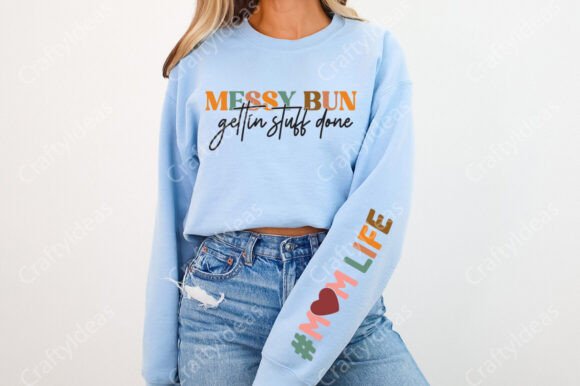
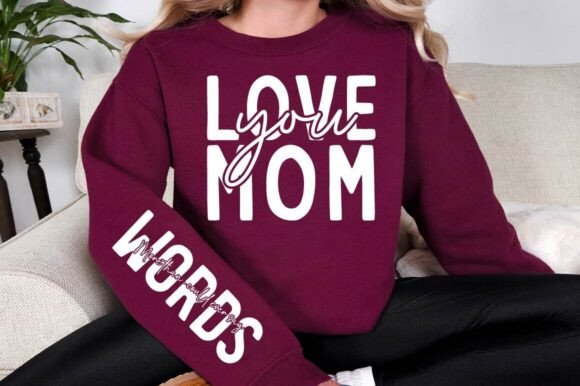
To truly evaluate this asset, let’s imagine a real-life scenario common to many Etsy sellers and small shop owners: creating a premium crewneck sweatshirt for a Mother’s Day capsule collection. Sweatshirt embroidery requires careful planning because fleece is thick, stretchy, and prone to distortion. The Messy Bun Queen Mom SVG fits this application well because its central focal point allows for balanced placement on the chest or back.
In this context, I would envision converting the graphic into a mixed-media piece. The bun itself could be executed as a textured fill stitch or even a chenille patch for added tactile value, while the "Queen Mom" text could be rendered in a classic satin stitch or a trendy varsity font using running stitch. This combination creates visual hierarchy and prevents the design from becoming too dense. A heavy, fully filled design on a sweatshirt can make the garment hang poorly and feel uncomfortable. By leveraging the open space inherent in this graphic style, we maintain the drape of the fabric while delivering a high-value handmade product that customers actually want to wear.
For craft business owners, this versatility is key. The same base graphic could be resized for a tote bag design, where durability is paramount, or scaled down for baby embroidery on a bib or onesie. However, scaling down requires caution. The "messy" strands of hair that look charming at six inches might turn into a thread nest at two inches. Always assess the minimum viable size before committing to production.
Navigating Fabric Challenges and Technical Limits
While the aesthetic is forgiving, the technical execution of the Messy Bun Queen Mom SVG demands respect for fabric physics. If you are applying this to stretchy knits like jersey or ribbed cotton, stabilizer choice is non-negotiable. A cut-away stabilizer is essential to prevent the design from warping after washing. Because this graphic likely features organic curves, improper hooping or insufficient stabilization will result in registration errors where the outline doesn't meet the fill.
Be particularly cautious with dark fabrics. If the original SVG relies on negative space or thin internal lines to define the messy bun, those details may get lost on black or navy material unless you add an underlay or adjust the digitizing strategy. Conversely, on textured fabrics like terry cloth or linen, fine details will sink into the weave. In these cases, you may need to increase the stitch length or add a topping to ensure the design remains crisp. For cap embroidery, the curved surface adds another layer of complexity; the horizontal span of the "Queen Mom" text must fit within the flat area of the cap front, or the letters will distort vertically.
Elevating Product Value and Customer Trust
Using a recognizable trend like the Messy Bun Queen Mom SVG can drive sales, but execution dictates perceived value. Customers can instantly tell the difference between a generic, auto-digitized file and a thoughtfully crafted embroidery piece. When the stitch density is optimized and the thread colors complement the garment rather than clash with it, the item feels bespoke. This attention to detail builds brand consistency and trust, encouraging repeat business from moms who want quality over quantity.
Furthermore, consider the presentation. Before stitching a single sample, create printable mockups using the original SVG to test color combinations and layout. This saves time and materials. Once stitched, photograph the finished product in natural light to show the texture of the stitches. Highlighting the dimensionality of the embroidery distinguishes your listing from competitors selling only digital files or cheap iron-ons. Whether you are selling the physical embroidered patch, the custom apparel, or eventually your own digitized version (if licensing permits), professional presentation bridges the gap between hobbyist and boutique brand.
Essential Designer Notes for Safe Commercial Use
Before you load this design into your machine or list it in your shop, please adhere to these practical guidelines:
- Verify Licensing: This listing describes a digital cutting file. Confirm whether the license covers commercial embroidery use or if it is strictly for personal crafting. Never assume rights transfer across mediums without checking.
- Test on Scrap Fabric: Always run a sew-out on the exact fabric you intend to use. Check for puckering, thread tension issues, and design clarity.
- Check Hoop Size Compatibility: Ensure the design dimensions fit comfortably within your hoop with adequate margin for stabilization. Do not force a design into a hoop that is too tight.
- Review Thread Color Contrast: Test the design in both black-and-white and full-color mockups. Ensure readability on various garment shades.
- Inspect Small Details: If digitizing yourself, simplify tiny elements. Strands of hair thinner than 2mm may need to be merged or removed to ensure stitch integrity.
- Confirm Machine Compatibility: Since the source is an SVG, ensure your embroidery software can import vectors cleanly or that you have a properly converted embroidery file format for your specific machine.
- Wash Test: If selling baby items or kitchen textiles, wash the test sample to ensure the stitch density holds up and the stabilizer doesn't degrade.
The Messy Bun Queen Mom SVG represents more than just a trendy graphic; it is a canvas for creative expression in the fiber arts. By approaching it with a critical, technical eye, you transform a simple digital asset into a profitable, professional-grade embroidery offering. Whether you are making a holiday gift for a friend or stocking your Etsy shop for the busy season, success lies in respecting the relationship between the digital line and the physical thread. Take the time to test, refine, and validate your process, and your finished products will reflect the care and expertise that today’s handmade market demands.