My Favorite Lacrosse Player Calls Me Mom: A Stitch Review
First Impressions: Typography and Emotional Resonance
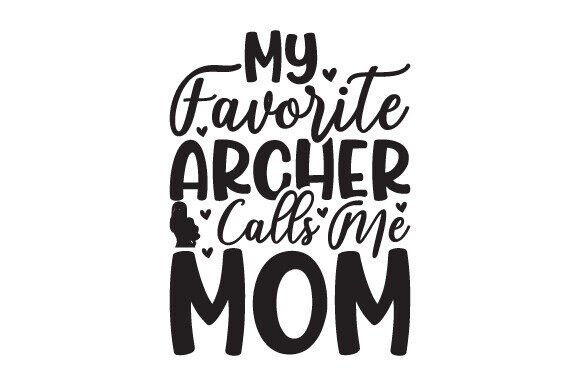
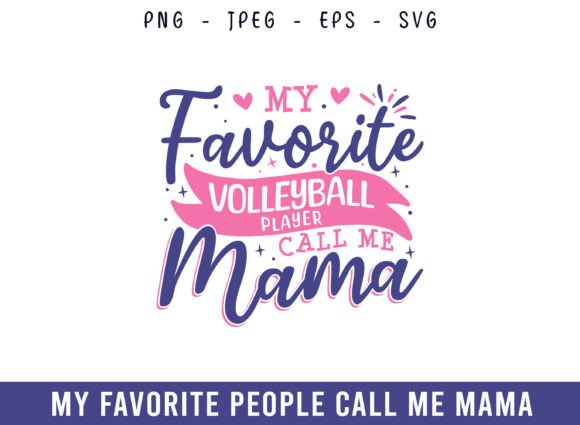
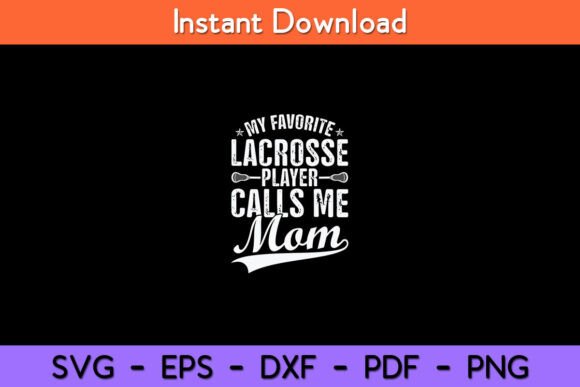
When evaluating a new machine embroidery design for my shop, I look beyond the digital preview. I need to know how the artwork translates from screen to fabric. "My Favorite Lacrosse Player Calls Me Mom" immediately strikes a chord as a high-demand niche product. The sentiment is specific, emotional, and tailored perfectly for the spring sports season. As a designer, I appreciate that this isn't just generic text; it carries a visual personality that suggests movement and energy appropriate for lacrosse culture.
The layout of this graphic feels balanced for a variety of applications. In the world of Crafts and Graphics, typography-driven designs often struggle with digitization if the font is too thin or overly ornate. However, this design appears structured enough to support clean stitching. My first impression is that this will serve as an excellent centerpiece for custom apparel, particularly for mothers who want to show team spirit without wearing a jersey themselves. It bridges the gap between fan gear and fashionable boutique style, making it a strong candidate for both personal projects and commercial inventory.
Real-World Application: Stitching a Game-Day Sweatshirt
To truly test the viability of this embroidery file, I mentally walked through creating a custom crewneck sweatshirt for a client whose son plays varsity lacrosse. This is a classic use case where the design must perform under real-world conditions. Sweatshirt fleece is textured and can be unforgiving to fine details. When planning this sweatshirt embroidery project, I considered how the lettering would sit on the chest area.
For this specific application, the design needs to be scaled appropriately. If resized too small, the internal spaces in letters like 'a', 'e', and 'o' might close up during stitching. Conversely, if enlarged for a full-back print, the stitch count increases significantly, potentially causing fabric distortion. In my experience with similar sports-themed digital embroidery files, this design works best when centered on the left chest or across the upper back. Using a cutaway stabilizer is non-negotiable here to prevent the fleece from puckering around the satin columns. The result is a premium handmade product that feels substantial and durable, exactly what a lacrosse mom expects when paying for custom work.
Versatility Across Products: From Totes to Nursery Decor
One of the strongest selling points of "My Favorite Lacrosse Player Calls Me Mom" is its adaptability. While apparel is the primary market, I see immense potential in accessories. A canvas tote bag design featuring this phrase is a perfect sideline companion. Canvas provides a stable, flat surface that allows for crisp registration. Because tote bags are frequently washed and tossed into car trunks, the stitch density must be sufficient to withstand abrasion without becoming bulletproof stiff. This design’s bold nature likely accommodates the necessary density for durability.
Beyond bags, consider the gifting market. This motif translates beautifully to holiday embroidery or end-of-season gifts. Imagine this stitched onto a garden flag, a tumbler wrap (using adhesive vinyl from the SVG version), or even a framed hoop art piece. For Etsy sellers, offering this design on multiple substrates maximizes ROI. It also works surprisingly well for baby embroidery items, such as a bib or blanket for a new sibling, adapting the "player" concept to include the whole family. The versatility ensures that this asset remains relevant year-round, not just during lacrosse season.
Technical Cautions: Fabric Choice and Hoop Limitations
Despite its versatility, every embroidery project has limitations. I advise caution when applying this design to performance wear or moisture-wicking fabrics. These materials are stretchy and slippery; without proper hooping technique and stabilizer, the design can warp. If you are producing commercial embroidery on tech fabrics, always run a sew-out test first. Additionally, be mindful of hoop size. If your machine only accepts 4x4 hoops, verify that the design fits comfortably within the safe stitch area after resizing. Cramped designs lead to needle breaks and poor alignment.
Another critical consideration is contrast. White thread on a white towel or navy thread on a black cap requires careful planning. While the design is visually appealing, low contrast kills readability. For dark fabrics, ensure the digitizing includes adequate underlay to prevent the fabric texture from showing through the stitches. Also, avoid placing this design over thick seams or zippers. The phrase relies on legibility; any distortion caused by uneven surfaces will detract from the professional finish. Always inspect small details like serifs or connecting script lines; these are the first elements to fail if the tension is off or the needle is dull.
Business Value: Elevating Your Handmade Brand
For creative entrepreneurs and small shop product owners, "My Favorite Lacrosse Player Calls Me Mom" represents more than just a pretty picture; it is a revenue driver. Niche-specific designs build customer trust because they signal that you understand their passion. When a buyer sees a design that accurately reflects their identity, they perceive higher value. This directly impacts conversion rates for personalized gifts and custom orders.
Furthermore, utilizing high-quality design assets protects your brand reputation. Poorly digitized files result in thread breaks, misalignment, and unhappy customers. By selecting robust designs, you ensure consistency across your product line. Whether you are selling the physical finished product or the digital file itself, quality is paramount. For those selling digital downloads, providing clear usage guidelines and compatible formats enhances the user experience. Always confirm licensing terms before selling finished goods or digital products to avoid legal issues. Professionalism in your source materials translates directly to professionalism in your sales.
Designer Notes for Optimal Results
Before loading this design into your machine, take these practical steps to ensure success:
- Test on Scrap Fabric: Never stitch directly on a final product without testing. Use a scrap of the exact material and stabilizer combination you plan to use.
- Check Thread Colors: Verify that your chosen thread colors provide sufficient contrast against the base fabric. Test in natural lighting.
- Review Stabilizer Needs: Match the stabilizer to the fabric weight. Knits need cutaway; wovens may suffice with tear-away.
- Inspect Small Details: Zoom in on the design file to check for tiny jumps or overlapping stitches that could cause issues.
- Create Mockups: Use black and white mockups to judge value contrast before committing to color.
- Verify Licensing: Double-check whether the license covers commercial sale of finished items or digital redistribution.
- Maintain Equipment: Ensure your needle is fresh and sized correctly for the thread weight and fabric type.
By approaching "My Favorite Lacrosse Player Calls Me Mom" with technical diligence and creative foresight, you transform a simple digital file into a cherished keepsake or a best-selling product. The intersection of sentimental value and technical execution is where true embroidery artistry lives.